
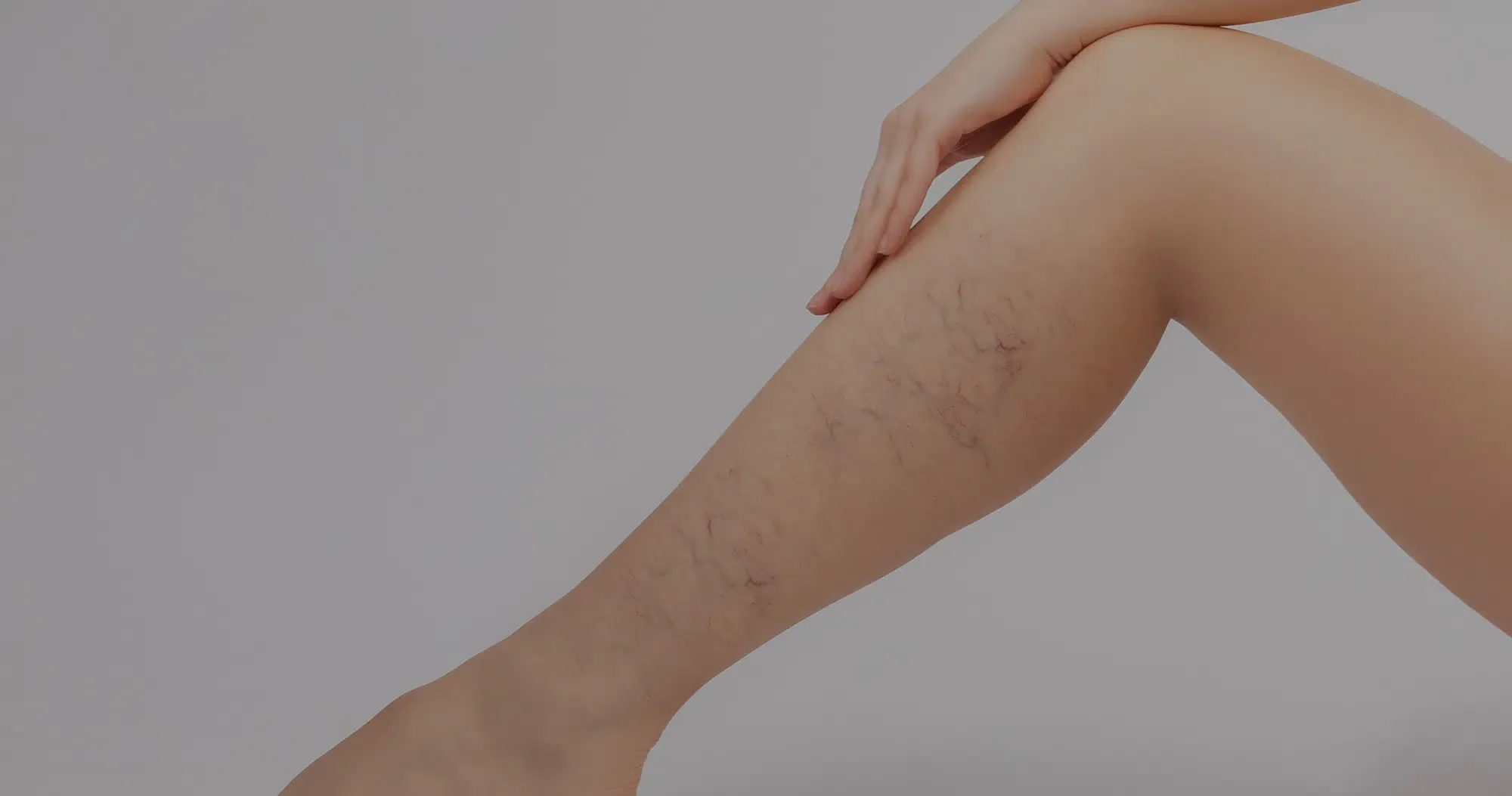
sclerotherapy
with Nurse Aideen
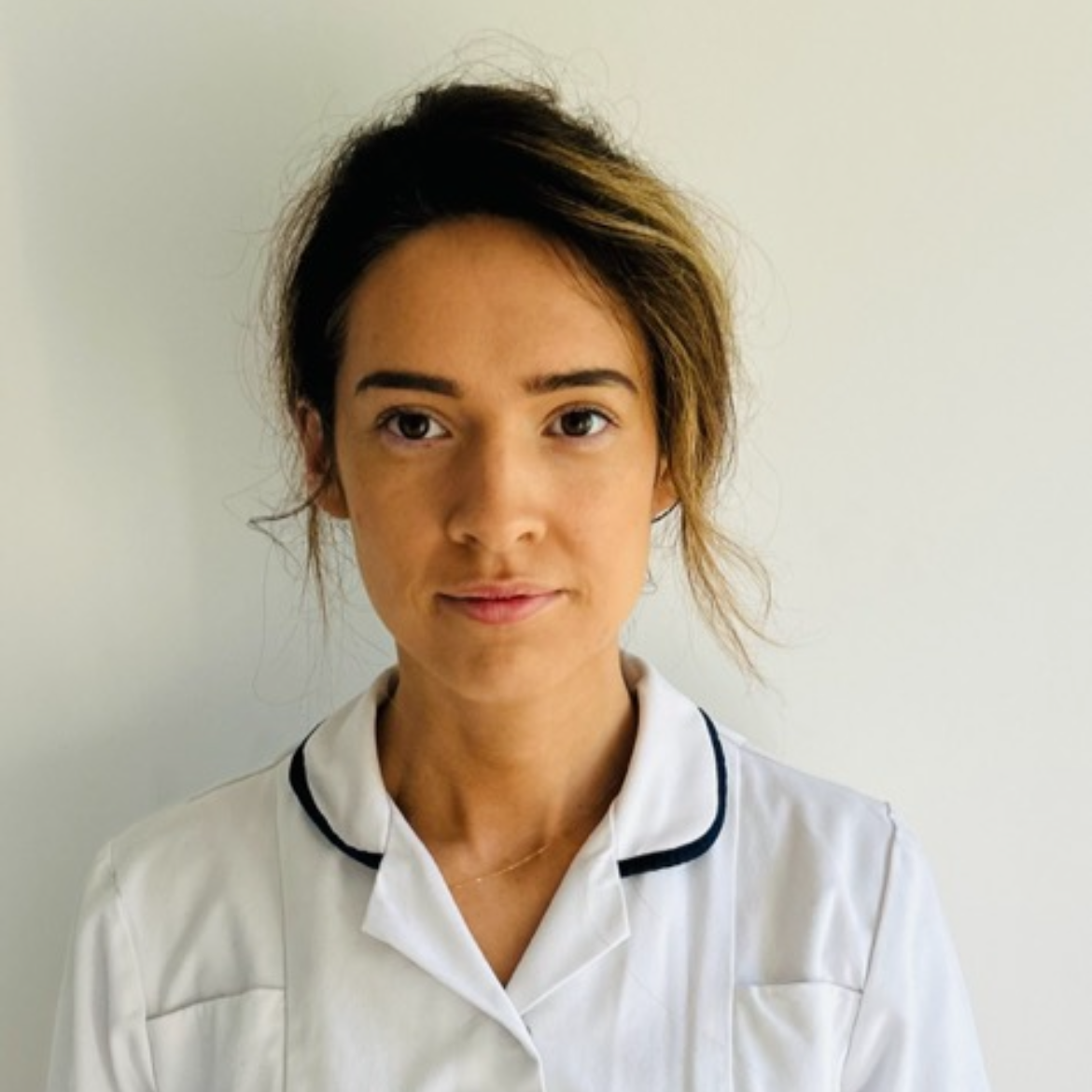
Nurse Aideen
Aideen Dwyer is a Registered General Nurse, Certified Sclerotherapist, and Vascular Specialist Nurse with over 10 years of clinical experience in Ireland and Australia, specialising in the assessment and management of venous disease.
Having trained and worked at the renowned Sydney Skin and Vein Clinic and Sydney Specialist Day Hospital alongside leading phlebologists and vascular specialists, she has developed extensive expertise in vascular assessment, sclerotherapy, patient education.
Aideen performs comprehensive patient assessments, develops individualised treatment plans, and delivers evidence-based sclerotherapy treatments for spider veins and superficial venous disease, with specialist knowledge compression therapy. As a member of the British Association of Sclerotherapists, she is committed to maintaining the highest standards of patient safety and clinicalexcellence through ongoing professional development, evidence-based practice, and patient-centred care.
-
Sclerotherapy is a minimally invasive procedure. The procedure may require multiple sessions to achieve the desired results, depending on the extent of the vein problem.
Sclerotherapy works by causing controlled damage to the walls of the targeted spider veins and triggering a healing response that eventually closes off and eliminates the treated veins.
-
Preparation: Before the procedure, the patient's medical history is reviewed, and a physical examination is conducted to assess the extent and location of the spider veins. A typical sclerotherapy session is relatively quick, lasting only about 45 minutes. Your legs will be photographed for our records.
Injection: During the procedure, the patient is lying down. A fine needle is inserted into the targeted vein, and a sclerosant solution is injected directly into the vein. The solution irritates the inner lining of the vein, causing it to swell and stick together.
Compression: After the treatment, the nurse will apply compression through a bandage or compression stocking to help keep the treated vein walls in contact. This pressure helps to promote the closure of the vein.
Healing Process: Over the next few days, the injected vein begins to undergo changes. The irritation caused by the sclerosant solution leads to the formation of scar tissue along the vein's inner lining. This scar tissue gradually closes off the vein, causing it to collapse and become sealed shut. Depending on size of veins treated, bruising can last anything from a few days to three weeks. Due to bruising the treated areas can look worse before they improve and it is necessary to be patient to obtain a good result.
Occasionally bruising around larger veins can remain for several weeks and may cause brown discolouration on the skin. This could take up to a number of months to fade.
Side Effects: Normal treatment side effects that can occur are redness, swelling at injection site, mild to moderate bruising and itchiness. With larger vessels bruising can last longer, there may be discomfort, pain around injection site, and possible discolouration on skin.
Follow-Up: Normally, patients will require a minimum of 3 to 4 treatments which are spaced approx. 2-4weeks apart. In more severe cases an additional 1 or 2 treatments may be recommended. On rare occasions, some individuals do not respond to Sclerotherapy when used for cosmetic reasons. You should have a realistic expectation that whilst 90%+ clearance is common.
After-care: Avoid strenuous activity, jogging, high impact aerobics, or weightlifting for 5 days after treatment. Avoid hot baths, sauna for 5 days after treatment. Take normal showers.
Avoid applying heat to treated area, waxing or laser hair removal. Compression stockings should be worn during the day for 5 days post treatment.